
MBBS in Russia: A Comprehensive Guide for Indian Students
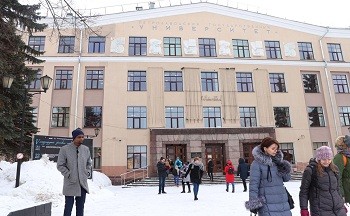
Russia has emerged as one of the most popular destinations for Indian students seeking quality medical education abroad. With its world-class medical universities, affordable tuition fees, and globally recognized degrees, pursuing MBBS in Russia offers numerous advantages for aspiring doctors from India.
In this comprehensive guide, we'll explore everything you need to know about studying medicine in Russia, from admission requirements and top universities to costs, lifestyle, and career prospects.
Why Choose Russia for MBBS?
Before diving into the specifics, let's understand why Russia is becoming increasingly popular among Indian students for medical education:
- NMC Recognition: Medical universities in Russia are recognized by the National Medical Commission (NMC) of India, allowing graduates to practice medicine in India after clearing the necessary licensing exams.
- WHO Listed: Russian medical universities are listed in the World Directory of Medical Schools by the World Health Organization (WHO), ensuring global recognition of the degree.
- Affordable Education: Compared to private medical colleges in India, MBBS in Russia is significantly more affordable, with tuition fees ranging from $3,000 to $5,500 per year.
- English Medium: Many universities in Russia offer MBBS programs in English, eliminating language barriers for international students.
- Modern Infrastructure: Russian medical universities boast state-of-the-art infrastructure, advanced laboratories, and well-equipped hospitals for practical training.
- Cultural Diversity: Russia is a melting pot of cultures, providing students with exposure to diverse perspectives and healthcare systems.
- Safe Environment: Russia is known for its political stability and safety, making it an ideal destination for international students.
- No Donation or Capitation Fees: Unlike many private medical colleges in India, universities in Russia do not charge any donation or capitation fees.
- Rich Medical Heritage: Russia has a rich history of medical education and research, with many groundbreaking medical discoveries originating from Russian scientists.
"Russia offers a perfect blend of quality education, affordability, and international exposure for medical students. The country's rich medical heritage and advanced healthcare system provide an ideal environment for aspiring doctors to develop their skills and knowledge." - Dr. Feroz Khan, International Studies Counsellor
Top Medical Universities in Russia
Russia boasts several prestigious medical universities that are recognized globally. Here are the top medical universities in Russia that are popular among Indian students:
1. Mari State University
Located in Yoshkar-Ola, the capital of Mari El Republic, Mari State University is a Gold Medal winning medical university established in 1972. With over 50 years of academic excellence, the university has earned recognition as one of the top medical institutions in Russia. The university offers a comprehensive 6-year MBBS program in English and boasts modern infrastructure with state-of-the-art facilities.
Key Features:
- NMC, WHO, WDOMS, ECFMG, and FAIMER approved
- Gold Medal recipient (2009) for excellence in medical education
- Over 2,000 Indian students currently enrolled
- 10+ affiliated hospitals with 5,000+ bed capacity for clinical training
- Affordable tuition fees ($5,000-6,000 per year)
- On-campus FMGE coaching for Indian students
- Modern laboratories, simulation centers, and research facilities
2. Orenburg State Medical University
Established in 1944, Orenburg State Medical University is ranked as the 2nd best medical university in Russia by Forbes Magazine. Located in Orenburg, a strategic city at the border of Europe and Asia, the university has over 80 years of academic legacy and offers world-class medical education with modern infrastructure and comprehensive clinical training.
Key Features:
- NMC, WHO, WDOMS, ECFMG, and FAIMER approved
- Forbes ranked #2 best medical university in Russia
- Over 1,500 Indian students currently enrolled
- Modern simulation laboratories and advanced medical facilities
- Affordable tuition fees ($6,000 per year)
- 24/7 student support services
- Strong clinical exposure with affiliated hospitals
3. Pskov State University
Established in 2010, Pskov State University is recognized as the fastest growing medical university in Russia. Located in Pskov, one of Russia's oldest cities with over 1,100 years of history and UNESCO World Heritage sites, the university offers quality medical education in a peaceful, historic environment ideal for focused academic study.
Key Features:
- NMC, WHO, WDOMS, ECFMG, and FAIMER approved
- Fastest growing university in Russia
- Over 800 Indian students currently enrolled
- 500+ professors and researchers on faculty
- Most affordable tuition fees ($3,500 per year)
- Student-centric academic methodology
- Modern laboratories and comprehensive clinical training
4. Perm State Medical University
Established in 1916, Perm State Medical University is one of the oldest medical institutions in Russia with over 100 years of academic excellence. Located in Perm, the 6th largest city in Russia, the university has won the "Best Campus" award and features 27 buildings including modern facilities, sports complexes, and award-winning hostels.
Key Features:
- NMC, WHO, ECFMG, and FAIMER approved
- "Best Campus" award winner
- Over 1,200 Indian students currently enrolled
- 27 campus buildings with comprehensive facilities
- Affordable tuition fees ($4,500-5,500 per year)
- 6 hostels with comfortable accommodation
- Rich cultural environment with excellent transport connectivity
5. Tver State Medical University
Established in 1936, Tver State Medical University holds the distinction of being the first university in Russia to offer MBBS programs in English. Located in Tver, a historic city dating back to the 12th century and strategically positioned 180km from Moscow, the university combines traditional medical education with modern teaching methodologies.
Key Features:
- NMC, WHO, WDOMS, ECFMG, and FAIMER approved
- First university in Russia to offer MBBS in English
- Over 600 Indian students currently enrolled
- 90+ years of academic excellence and tradition
- Affordable tuition fees (₹3,50,000 per year)
- Excellent transportation links to Moscow
- Modern laboratories and clinical training facilities
Admission Requirements for Indian Students
The admission process for MBBS in Russia is relatively straightforward. Here are the general requirements for Indian students:
Eligibility Criteria
- Completion of 10+2 with Physics, Chemistry, and Biology
- Minimum 50% aggregate in PCB (45% for SC/ST/OBC candidates)
- NEET qualification (as per NMC guidelines)
- Age between 17-25 years
- Good health condition
- Valid passport
Required Documents
- Completed application form
- 10th and 12th mark sheets and certificates
- NEET scorecard
- Passport-sized photographs
- Passport copy
- Birth certificate
- Medical fitness certificate
- HIV test report
- No Objection Certificate (NOC)
- Migration certificate
Admission Process
- Application Submission: Submit the application form along with the required documents to the university or through a trusted education consultant like 3i Global EduTech.
- Document Verification: The university verifies the submitted documents.
- Admission Letter: Upon successful verification, the university issues an admission letter.
- Fee Payment: Pay the tuition fees as mentioned in the admission letter.
- Visa Application: Apply for a student visa with the admission letter and other required documents.
- Travel Arrangements: Make travel arrangements to Russia.
- Arrival and Orientation: Arrive in Russia and attend the orientation program at the university.
Cost of MBBS in Russia
One of the biggest advantages of studying medicine in Russia is the affordability. Here's a breakdown of the approximate costs:
Tuition Fees
The tuition fees for MBBS in Russia range from $3,000 to $5,500 per year, depending on the university. This is significantly lower than private medical colleges in India, where fees can go up to ₹20-25 lakhs per year.
Hostel and Accommodation
Most universities in Russia provide hostel facilities for international students. The hostel fees range from $500 to $1,200 per year, depending on the type of accommodation (shared or single room).
Food and Living Expenses
The cost of food and other living expenses in Russia is relatively low compared to other countries. Students can expect to spend around $150-250 per month on food and other necessities.
Other Expenses
- Visa Fees: Approximately $200-300
- Medical Insurance: $200-300 per year
- Travel Expenses: $600-800 (one-way ticket from India to Russia)
- Miscellaneous Expenses: $500-1,000 per year
Total Cost
The total cost for a 6-year MBBS program in Russia, including tuition fees, accommodation, food, and other expenses, ranges from $30,000 to $45,000. This is significantly lower than the cost of MBBS in many other countries and even private medical colleges in India.
MBBS Curriculum and Duration
The MBBS program in Russia follows a structured curriculum spread over 6 years:
Program Structure
- Year 1-3: Basic medical sciences (Anatomy, Physiology, Biochemistry, etc.)
- Year 4-5: Clinical subjects (Internal Medicine, Surgery, Pediatrics, etc.)
- Year 6: Internship and practical training
Teaching Methodology
The teaching methodology in Russian medical universities includes:
- Lectures and seminars
- Laboratory work
- Clinical rotations
- Case studies and problem-based learning
- Research projects
- Practical training in affiliated hospitals
Medium of Instruction
Most universities in Russia offer MBBS programs in English, making it convenient for Indian students. Some universities also offer programs in Russian, but Indian students typically opt for the English-medium programs.
Examination Pattern
The examination pattern in Russian medical universities typically includes:
- Continuous assessment through assignments and projects
- Mid-term examinations
- Practical examinations
- Final examinations at the end of each semester
Life as an Indian Student in Russia
Russia offers a unique cultural experience for Indian students. Here's what to expect:
Climate
Russia has a continental climate with cold winters and mild summers. The temperature can range from -30°C in winter to 25°C in summer. Students should be prepared for the cold winters by bringing appropriate clothing.
Food
Most universities in Russia have Indian messes or restaurants nearby. Students can also cook their own meals in hostel kitchens. Russian cities have international food options, including Indian restaurants. Some common Russian dishes include Borscht (beetroot soup), Pelmeni (dumplings), and Blini (pancakes).
Accommodation
Most universities in Russia provide hostel facilities for international students. The hostels are equipped with basic amenities like beds, desks, cupboards, and common kitchens. Some universities also offer off-campus accommodation options.
Transportation
Russia has a well-developed public transportation system, including buses, trams, and metros in major cities. Students can use public transportation to commute to the university and explore the city. The transportation is affordable and convenient.
Safety
Russia is generally safe for international students. The crime rate is low, and the locals are friendly and helpful. However, students should take normal precautions as they would in any foreign country.
Indian Community
There is a significant Indian student community in Russia, especially in cities like Moscow and St. Petersburg. This makes it easier for new students to adjust to life in Russia. Indian students often celebrate Indian festivals and organize cultural events.
Cultural Experience
Russia offers a rich cultural experience with its blend of European and Asian influences. Students can explore historical sites, museums, and natural attractions during their stay. Some popular attractions include Red Square and the Kremlin in Moscow, the Hermitage Museum in St. Petersburg, and Lake Baikal.
Disadvantages of Studying MBBS in Russia
While Russia offers numerous advantages for medical education, it's important to consider the potential challenges and disadvantages that Indian students may face:
Language Barriers
Although many universities offer MBBS programs in English, students may face language barriers in daily life and during clinical rotations. Russian is the primary language spoken in hospitals and among patients, which can create communication challenges during practical training. Students may need to learn basic Russian to effectively interact with patients and local staff.
Harsh Climate Conditions
Russia's extreme winter climate can be challenging for Indian students who are not accustomed to sub-zero temperatures. Winters can last for 6-8 months with temperatures dropping to -30°C or lower. This can affect students' health, mood, and daily activities. The lack of sunlight during winter months may also lead to seasonal depression in some students.
Cultural Adjustment Challenges
Adapting to Russian culture, food habits, and social norms can be difficult for Indian students. The cultural differences may lead to homesickness and adjustment issues, especially during the initial months. Students may find it challenging to adapt to local customs, social interactions, and lifestyle differences.
Limited Job Opportunities During Studies
International students in Russia have limited opportunities for part-time work during their studies due to visa restrictions. This can create financial constraints for students who wish to support themselves or gain work experience while studying. Student visas typically don't allow employment outside the university.
Recognition and Licensing Challenges
While Russian medical degrees are NMC-approved, graduates must clear the NEXT exam to practice in India. The pass rates for foreign medical graduates in licensing exams can be lower compared to Indian medical graduates. Additionally, some countries may have specific requirements for recognizing Russian medical degrees.
Distance from Home
Russia is geographically distant from India, making it expensive and time-consuming to travel home during emergencies or holidays. The long travel time and high airfare costs can be a significant disadvantage for students who want to visit family frequently or during emergencies.
Limited Exposure to Indian Medical Practices
Students studying in Russia may have limited exposure to Indian medical practices, disease patterns, and healthcare systems. This can create challenges when they return to practice in India, as they may need additional training to understand local medical conditions and treatment protocols.
Quality Variations Among Universities
While top Russian medical universities offer excellent education, there can be significant quality variations among different institutions. Some universities may have outdated infrastructure, limited research opportunities, or inadequate clinical exposure, which can affect the overall learning experience.
Social Isolation
Some Indian students may experience social isolation due to cultural differences, language barriers, and being away from family and friends. This can impact mental health and academic performance. Building social connections and finding a support system can be challenging initially.
Food and Dietary Restrictions
Indian students may face challenges in finding suitable vegetarian food options or food that meets their dietary requirements and preferences. While some universities have Indian messes, the variety and quality may not always meet expectations. Students may need to learn cooking or adapt to local cuisine.
Documentation and Bureaucratic Processes
Russian bureaucratic processes can be complex and time-consuming. Students may face challenges with visa renewals, document attestations, and other administrative procedures. Language barriers can make these processes even more difficult to navigate.
Limited Scholarship Opportunities
Unlike some other countries, Russia offers limited scholarship opportunities for international medical students. Most students need to bear the full cost of education, accommodation, and living expenses, which can be financially challenging for some families.
"While Russia offers quality medical education at affordable costs, students should carefully consider these challenges and prepare accordingly. Proper planning, cultural preparation, and realistic expectations can help overcome many of these disadvantages." - Dr. Feroz Khan, International Education Consultant
Post-Graduation Pathway
After completing MBBS in Russia, Indian students typically follow this pathway:
NEXT Exam
As per the National Medical Commission (NMC) regulations, Indian students who have completed their MBBS from foreign countries need to clear the National Exit Test (NEXT) to practice medicine in India. The NEXT exam replaced the Foreign Medical Graduate Examination (FMGE) in 2023.
Internship in India
After clearing the NEXT exam, students need to complete a one-year internship in India to get registered with the State Medical Council.
Career Options
After completing MBBS from Russia and clearing the NEXT exam, students have various career options:
- Clinical Practice: Work as a general physician in hospitals, clinics, or start a private practice.
- Post-Graduation: Pursue MD/MS in India or abroad to specialize in a specific field of medicine.
- Research: Join research institutions or pharmaceutical companies for medical research.
- Public Health: Work with government health departments or NGOs in public health initiatives.
- Medical Education: Join medical colleges as faculty members.
- Medical Writing: Work as a medical writer for healthcare publications or websites.
How 3i Global EduTech Can Help
At 3i Global EduTech, we provide comprehensive assistance for students aspiring to study MBBS in Russia:
- University Selection: We help students choose the right university based on their academic profile, budget, and preferences.
- Application Process: We assist in the complete application process, including document preparation and submission.
- Admission Guidance: We provide guidance on admission requirements and procedures.
- Visa Assistance: We help students with the visa application process.
- Pre-Departure Orientation: We conduct pre-departure orientation sessions to prepare students for life in Russia.
- Accommodation Arrangements: We assist in arranging accommodation for students.
- Airport Pickup: We arrange airport pickup for students upon their arrival in Russia.
- Local Support: We provide local support to students during their stay in Russia.
- Career Counseling: We offer career counseling to help students plan their career path after MBBS.
Conclusion
MBBS in Russia offers a golden opportunity for Indian students to receive quality medical education at an affordable cost. With globally recognized degrees, English-medium programs, and excellent infrastructure, Russian medical universities continue to attract thousands of Indian students each year.
If you're considering MBBS abroad, Russia should definitely be on your list of options. With proper guidance and preparation, you can embark on a successful medical career journey starting from Russia.
For personalized counseling and detailed information about MBBS in Russia, contact 3i Global EduTech today. Our experts will help you make an informed decision and guide you through every step of your educational journey.