
Tehran
Persian, English
84 Million
-5°C to 40°C
Iranian Rial (IRR)
15+ Medical Universities
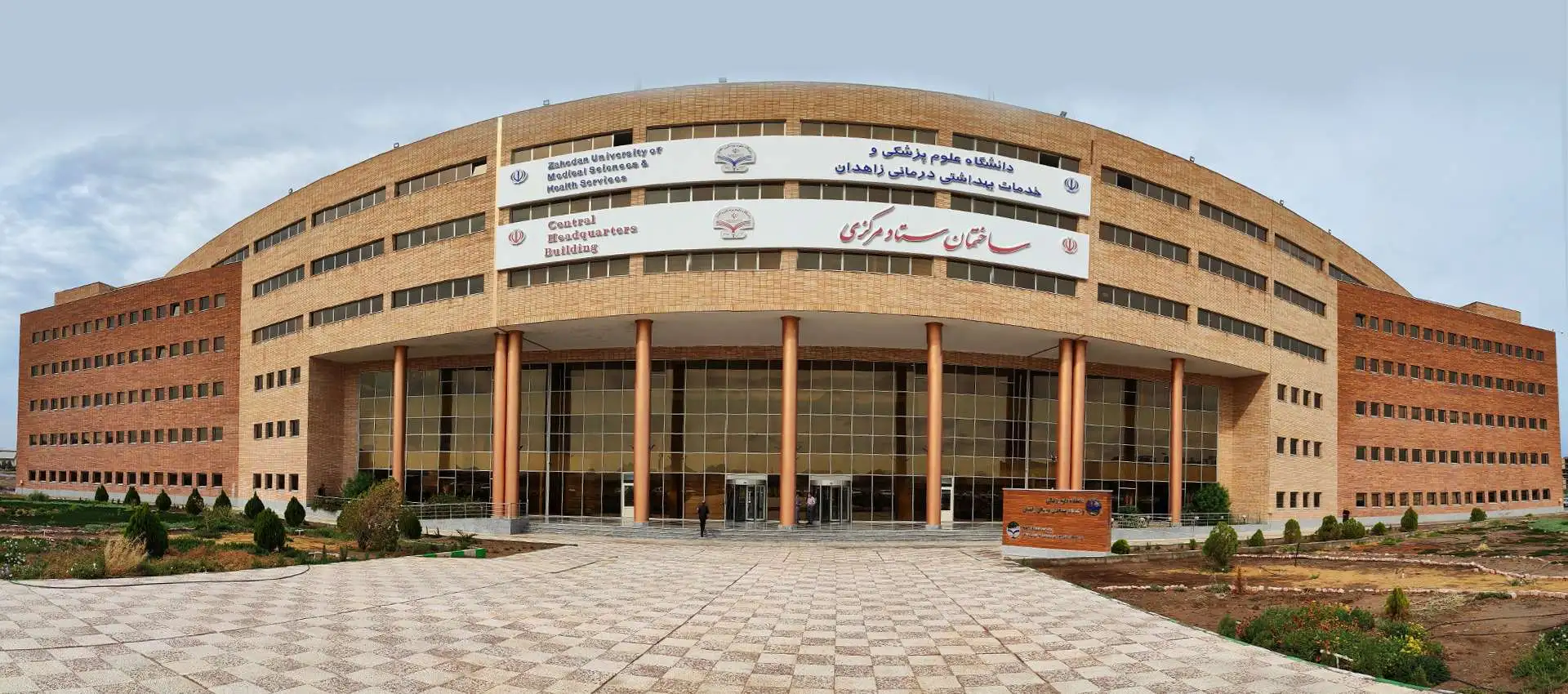


Thinking about MBBS in Iran for the 2025-26 intake? You should give Iran a serious look. It’s quickly becoming a smart choice for international students, especially from India.
Forget the language barrier. Every single MBBS program is taught in English. You’ll be focused on medicine from day one. For students aiming to practice in India, the credentials line up perfectly—degrees from Iranian universities are recognized by the National Medical Commission (NMC).
The program structure is solid. It's a six-year commitment, with five years dedicated to rigorous academic work and a final year spent in a hands-on clinical internship. You won't just learn the theory; you'll live it.
When evaluating international options for medical education, Iran presents several compelling advantages that merit serious consideration by prospective students and their families.
Understanding the fundamental aspects of medical education in Iran helps students make informed decisions:
Let me share Rahul's MBBS in Iran story. A brilliant student with 92% in his 12th grade. His NEET score? Impressive but not enough for a government medical seat in India. Private colleges wanted ₹80 lakhs for his MBBS. His middle-class family couldn't afford it. Dreams shattered? Not quite. MBBS in Iran became the perfect solution.
Why do thousands of Indian students choose Iran for their medical education? The numbers tell the story:
The MBBS in Iran curriculum is intense but rewarding. Six years of your life – well spent. Five years hitting the books and labs, followed by a full year of hands-on clinical practice. You'll work with real patients in real hospitals. Nothing beats that experience when studying MBBS in Iran.
Worried about language during MBBS in Iran? Don't be. All classes are in English. Your professors will understand you. Your textbooks will be familiar. No need to learn Persian before starting your MBBS in Iran journey (though picking up some local phrases will help you connect with patients).
Your MBBS in Iran degree will have global value. NMC, WHO, and FAIMER all recognize MBBS in Iran qualifications. This isn't some obscure degree – it's your passport to a worldwide medical career.
Feeling homesick during MBBS in Iran? You'll find thousands of Indian students already there. Indian restaurants serve familiar food. Diwali and Holi celebrations happen every year. You'll build a second family away from home while studying MBBS in Iran.
Iran has several internationally recognized medical universities that offer quality education for international students. Here's a more detailed look at the top institutions:
Iran University of Medical Sciences (IUMS) is one of the most prestigious medical universities in Iran, located in the capital city of Tehran. Established in 1974, IUMS has grown to become a leading institution for medical education in the Middle East. The university offers a comprehensive MBBS program that combines theoretical knowledge with practical clinical experience.
| Parameter | Details |
|---|---|
| Year Established | 1974 |
| Recognition | NMC, WHO, AMEE, FAIMER |
| Course Duration | 6+1 Year |
| Eligibility Criteria | 10+2 with minimum 50% marks, NEET qualification |
| Language of Study | English |
| Application Deadline | August 1, 2025 |
Tehran University of Medical Sciences is the oldest and most distinguished medical university in Iran. Founded in 1934, it has a rich history of medical education and research. The university is known for its high-quality education, modern facilities, and experienced faculty members. It offers a comprehensive MBBS program that prepares students for successful medical careers globally.
| Parameter | Details |
|---|---|
| Year Established | 1934 |
| Recognition | NMC, WHO, AMEE, FAIMER |
| Course Duration | 6+1 Year |
| Eligibility Criteria | 10+2 with minimum 50% marks, NEET qualification |
| Language of Study | English |
| Application Deadline | August 1, 2025 |
Shahid Beheshti University of Medical Sciences is a leading medical institution located in Tehran. Established in 1961, the university has earned a reputation for excellence in medical education and research. It offers a comprehensive MBBS program with a focus on practical training and clinical experience. The university has modern facilities, experienced faculty, and a diverse student body.
| Parameter | Details |
|---|---|
| Year Established | 1961 |
| Recognition | NMC, WHO, AMEE, FAIMER |
| Course Duration | 6+1 Year |
| Eligibility Criteria | 10+2 with minimum 50% marks, NEET qualification |
| Language of Study | English |
| Application Deadline | August 1, 2025 |
Islamic Azad University of Medical Sciences is a private university with multiple branches across Iran. The main campus is located in Tehran. Established in 1982, it has grown to become one of the largest private medical universities in the country. The university offers a comprehensive MBBS program with modern facilities and experienced faculty members.
| Parameter | Details |
|---|---|
| Year Established | 1982 |
| Recognition | NMC, WHO, AMEE, FAIMER |
| Course Duration | 6+1 Year |
| Eligibility Criteria | 10+2 with minimum 50% marks, NEET qualification |
| Language of Study | English |
| Application Deadline | August 1, 2025 |
Kerman University of Medical Sciences is located in Kerman, a historic city in southeastern Iran. Established in 1986, the university has developed into a significant center for medical education and research. It offers a comprehensive MBBS program with a focus on practical training and clinical experience. The university has modern facilities, experienced faculty, and a supportive environment for international students.
| Parameter | Details |
|---|---|
| Year Established | 1986 |
| Recognition | NMC, WHO, AMEE, FAIMER |
| Course Duration | 6+1 Year |
| Eligibility Criteria | 10+2 with minimum 50% marks, NEET qualification |
| Language of Study | English |
| Application Deadline | August 1, 2025 |
Golestan University of Medical Sciences is located in Gorgan, a beautiful city in the northern part of Iran. The university is known for its quality medical education and modern facilities. It offers a comprehensive MBBS program with a strong focus on both theoretical knowledge and practical clinical experience. The university provides a supportive environment for international students with dedicated staff to assist with academic and non-academic matters.
| Parameter | Details |
|---|---|
| Location | Gorgan, Iran |
| Recognition | NMC, WHO, AMEE, FAIMER |
| Course Duration | 6 Years |
| Eligibility Criteria | 10+2 with minimum 60% marks in PCB, NEET qualification |
| Language of Study | English |
| Application Deadline | August 1, 2025 |
| Contact | 3i Global Edutech Guidance: +91 9210737138 |
Hamadan University of Medical Sciences is located in Hamadan, a historic city in western Iran. The university offers excellent medical education with modern facilities and experienced faculty. It provides a comprehensive MBBS program that balances theoretical knowledge with practical clinical training. The university is known for its supportive environment for international students and offers various extracurricular activities to enhance the overall student experience.
| Parameter | Details |
|---|---|
| Location | Hamadan, Iran |
| Recognition | NMC, WHO, AMEE, FAIMER |
| Course Duration | 6 Years |
| Eligibility Criteria | 10+2 with minimum 50% marks in PCB, NEET qualification |
| Language of Study | English |
| Application Deadline | August 1, 2025 |
| Contact | 3i Global Edutech Guidance: +91 9210737138 |
The National Eligibility cum Entrance Test (NEET) qualification is mandatory for Indian students planning to study medicine in Iran. This requirement aligns with NMC regulations for students who intend to practice medicine in India after completing their education abroad.
Key points regarding NEET requirements for MBBS in Iran:
Proper documentation is essential for a smooth admission process to medical universities in Iran. Here's a comprehensive list of required documents:
Note: All documents must be translated into English or Persian and notarized. Some documents may require apostille or authentication from the Iranian Embassy/Consulate in India.
The admission cycle for Iran medical universities typically follows this schedule:
A medical degree from Iran opens numerous professional pathways:
The following table provides a detailed breakdown of MBBS in Iran fees structure at leading medical universities in Iran for the 2025-26 academic year. Understanding the MBBS in Iran fees is crucial for students planning their education abroad:
| Academic Year | Inclusions | Program Expenditure in USD | Program Expenditure in INR |
|---|---|---|---|
| First Year | Tuition Fees | $3,200 | ₹2,78,400 |
| Hostel Fees | $600 | ₹52,200 | |
| One-Time Charges | $1,000 | ₹87,000 | |
| Language Course | $300 | ₹26,100 | |
| Mess Charges (Approx.) | $800 | ₹69,600 | |
| Total First Year | $5,900 | ₹5,13,300 | |
| Second to Sixth Year (Per Year) | Tuition Fees | $3,200 | ₹2,78,400 |
| Hostel Fees | $600 | ₹52,200 | |
| Mess Charges (Approx.) | $800 | ₹69,600 | |
| Total Per Year (2nd to 6th) | $4,600 | ₹4,00,200 | |
Note: Exchange rate calculated at 1 USD = ₹87 (approx.). Rates may vary slightly based on current exchange rates.
| Academic Year | Inclusions | Program Expenditure in USD | Program Expenditure in INR |
|---|---|---|---|
| First Year | Tuition Fees | $3,500 | ₹3,04,500 |
| Hostel Fees | $650 | ₹56,550 | |
| One-Time Charges | $1,000 | ₹87,000 | |
| Language Course | $300 | ₹26,100 | |
| Mess Charges (Approx.) | $850 | ₹73,950 | |
| Total First Year | $6,300 | ₹5,48,100 | |
| Second to Sixth Year (Per Year) | Tuition Fees | $3,500 | ₹3,04,500 |
| Hostel Fees | $650 | ₹56,550 | |
| Mess Charges (Approx.) | $850 | ₹73,950 | |
| Total Per Year (2nd to 6th) | $5,000 | ₹4,35,000 | |
Note: Exchange rate calculated at 1 USD = ₹87 (approx.). Rates may vary slightly based on current exchange rates.
| Academic Year | Inclusions | Program Expenditure in USD | Program Expenditure in INR |
|---|---|---|---|
| First Year | Tuition Fees | $3,400 | ₹2,95,800 |
| Hostel Fees | $650 | ₹56,550 | |
| One-Time Charges | $1,000 | ₹87,000 | |
| Language Course | $300 | ₹26,100 | |
| Mess Charges (Approx.) | $850 | ₹73,950 | |
| Total First Year | $6,200 | ₹5,39,400 | |
| Second to Sixth Year (Per Year) | Tuition Fees | $3,400 | ₹2,95,800 |
| Hostel Fees | $650 | ₹56,550 | |
| Mess Charges (Approx.) | $850 | ₹73,950 | |
| Total Per Year (2nd to 6th) | $4,900 | ₹4,26,300 | |
Note: Exchange rate calculated at 1 USD = ₹87 (approx.). Rates may vary slightly based on current exchange rates.
| Academic Year | Inclusions | Program Expenditure in USD | Program Expenditure in INR |
|---|---|---|---|
| First Year On Admission | Tuition Fee | $3,000 | ₹2,61,000 |
| Hostel Fee | $300 | ₹26,100 | |
| OTC | $1,000 | ₹87,000 | |
| Language Fee | $300 | ₹26,100 | |
| Mess Charges (Approx.) | $800 | ₹69,600 | |
| Total First Year | $5,400 | ₹4,69,800 | |
| Second to Sixth Year | Tuition Fee ($ 3,000 X 5 years) | $15,000 | ₹13,05,000 |
| Hostel Fee ($ 300 X 5 Years) | $1,500 | ₹1,30,500 | |
| Mess Charges (Approx. $ 800 X 5 Years) | $4,000 | ₹3,48,000 | |
| Total (2nd to 6th Year) | $20,500 | ₹17,83,500 | |
Note: Exchange rate calculated at 1 USD = ₹87 (approx.). Rates may vary slightly based on current exchange rates.
| Academic Year | Inclusions | Program Expenditure in USD | Program Expenditure in INR |
|---|---|---|---|
| First Year On Admission | Tuition Fee | $2,500 | ₹2,17,500 |
| Hostel Fee | $1,200 | ₹1,04,400 | |
| OTC | $1,000 | ₹87,000 | |
| Language Fee | $300 | ₹26,100 | |
| Mess Charges (Approx.) | $800 | ₹69,600 | |
| Total First Year | $5,800 | ₹5,04,600 | |
| Second to Sixth Year | Tuition Fee ($ 2,500 X 5 years) | $12,500 | ₹10,87,500 |
| Hostel Fee ($ 1,200 X 5 Years) | $6,000 | ₹5,22,000 | |
| Mess Charges (Approx. $ 800 X 5 Years) | $4,000 | ₹3,48,000 | |
| Total (2nd to 6th Year) | $22,500 | ₹19,57,500 | |
Note: Exchange rate calculated at 1 USD = ₹87 (approx.). Rates may vary slightly based on current exchange rates.
| Academic Year | Inclusions | Program Expenditure in USD | Program Expenditure in INR |
|---|---|---|---|
| First Year On Admission | Tuition Fee | $3,200 | ₹2,78,400 |
| Hostel Fee | $600 | ₹52,200 | |
| OTC | $1,000 | ₹87,000 | |
| Language Fee | $300 | ₹26,100 | |
| Mess Charges (Approx.) | $800 | ₹69,600 | |
| Total First Year | $5,900 | ₹5,13,300 | |
| 2nd Year to 6th Year | Tuition Fee $ 3,200 X 4 years. | $12,800 | ₹11,13,600 |
| Hostel Fee $ 600 X 4 Years. | $2,400 | ₹2,08,800 | |
| Mess Charges (Approx. 800$ X 4 Years. | $3,200 | ₹2,78,400 | |
| Total (2nd to 6th Year) | $18,400 | ₹16,00,800 | |
Note: Exchange rate calculated at 1 USD = ₹87 (approx.). Rates may vary slightly based on current exchange rates.
Understanding the cost of living in Iran is essential for international students planning their budget. Here's a breakdown of monthly expenses in Iranian cities:
| Expense Category | Monthly Cost (USD) | Monthly Cost (INR) |
|---|---|---|
| Accommodation (University Hostel) | $100-150 | ₹8,700-13,050 |
| Food (Including Mess) | $150-250 | ₹13,050-21,750 |
| Transportation | $30-50 | ₹2,610-4,350 |
| Books and Study Materials | $20-40 | ₹1,740-3,480 |
| Utilities (Electricity, Water, Internet) | $40-60 | ₹3,480-5,220 |
| Personal Expenses | $50-100 | ₹4,350-8,700 |
| Health Insurance (Annual) | $200-300 | ₹17,400-26,100 |
| Total Monthly Expenses | $390-650 | ₹33,930-56,550 |
The cost of living in Iran is relatively affordable compared to many other countries. Tehran, being the capital city, is slightly more expensive than other cities like Kerman, Shiraz, or Mashhad. Students can manage their expenses effectively by staying in university hostels and using public transportation.

Iran, officially known as the Islamic Republic of Iran, is a country in Western Asia with a rich history dating back to ancient civilizations. It is home to one of the world's oldest continuous major civilizations, with historical and urban settlements dating back to 7000 BCE.
Geography and Climate: Iran is the second-largest country in the Middle East, covering an area of 1,648,195 square kilometers. It features diverse landscapes, from rugged mountain ranges to vast deserts and coastal plains. The climate varies from arid and semi-arid in the center and east to subtropical along the Caspian coast and cold in the northwest.
Culture and Heritage: Iran boasts a rich cultural heritage with 24 UNESCO World Heritage Sites. Persian culture has influenced various regions across the world, particularly in art, architecture, poetry, and cuisine. The country is known for its hospitality, with Iranians being warm and welcoming to international visitors.
Education System: Iran has a well-established education system with a strong emphasis on science and medicine. The country has made significant advancements in medical education, with numerous universities offering high-quality medical programs recognized globally.
Healthcare Infrastructure: Iran has developed a robust healthcare system with modern hospitals and medical facilities. The country has made remarkable progress in medical research and healthcare delivery, making it an attractive destination for medical education.
For International Students: Iran offers a unique blend of traditional values and modern education. International students, particularly those pursuing medical degrees, benefit from quality education at affordable costs while experiencing a rich cultural environment. Major cities like Tehran, Isfahan, and Shiraz provide excellent educational and cultural experiences for international students.
Studying MBBS in Iran not only provides students with a globally recognized medical degree but also exposes them to a diverse cultural experience that enriches their personal and professional growth.
When planning to study MBBS in Iran, students should consider the following financial aspects:
The total cost of living and studying in Iran is relatively affordable compared to many other countries offering medical education, making it an attractive option for budget-conscious students seeking quality medical education.
Here are answers to some of the most common questions about studying MBBS in Iran:
Yes, MBBS in Iran is considered excellent for Indian students due to several factors:
Iranian medical universities follow international standards in their curriculum, and students receive comprehensive theoretical knowledge and practical clinical training with modern facilities.
The average cost of studying MBBS in Iran ranges from USD 3,200 to 4,500 per year (approximately ₹2.8 to 3.9 lakhs per year) for tuition fees. The total cost including accommodation, food, and other expenses is around USD 5,900 to 6,300 (approximately ₹5.1 to 5.5 lakhs) for the first year.
For the complete 6-year program, the total cost ranges from USD 28,000 to 32,000 (approximately ₹24 to 28 lakhs). This is significantly more affordable compared to private medical colleges in India, which can cost between ₹80 lakhs to 1.5 crore for the complete program.
Additional expenses include:
Yes, Iran is generally safe for Indian students. The country has a low crime rate, especially in university areas and major cities where medical universities are located. Iranian people are known for their hospitality and friendliness towards international students.
Key safety aspects include:
As with any foreign country, students should exercise normal precautions, respect local customs and traditions, and stay informed about the local situation.
Yes, many medical universities in Iran are recognized by the National Medical Commission (NMC) of India, formerly known as the Medical Council of India (MCI). The top universities that are NMC-recognized include:
Graduates from these NMC-recognized universities are eligible to appear for the NEXT (National Exit Test) exam in India after completing their MBBS degree. Upon clearing this exam, they can register with the State Medical Council and practice medicine in India.
It's important to verify the current recognition status of any university from the official NMC website before applying, as the list of recognized institutions may be updated periodically.
The basic eligibility criteria for Indian students to study MBBS in Iran include:
Additional requirements may include:
Some universities may have their own entrance exams or additional requirements, so it's advisable to check with the specific university or consult with education consultants specializing in MBBS admissions in Iran.
Students from top Iranian medical universities have demonstrated good performance in the Foreign Medical Graduate Examination (FMGE), which is being replaced by the National Exit Test (NEXT). The passing rates vary by university but are generally competitive compared to other foreign medical education destinations.
Factors contributing to good FMGE/NEXT performance include:
Many universities in Iran also offer additional coaching and preparation courses for the FMGE/NEXT exam to help their international students succeed in these licensing examinations.
For international students, including Indian students, the medium of instruction for MBBS programs in Iran is English. All lectures, practical sessions, clinical rotations, textbooks, and examinations are conducted in English.
While the academic program is in English, learning some basic Persian (Farsi) can be beneficial for:
Many universities offer optional Persian language courses for international students to help them learn basic communication skills. These courses are typically offered during the initial months of the program.
Studying MBBS in Iran offers a combination of quality education, affordable costs, and cultural experience. For students seeking an international medical education that won't burden them with excessive debt, Iran presents a viable option.
The experience of studying medicine in a different cultural context can broaden your perspective and enhance your ability to work with diverse patient populations. While there are challenges, the benefits of an Iranian medical education make it worth considering for aspiring doctors.
If you're looking for an affordable yet quality medical education in a culturally rich environment, Iran might be the right choice for your medical journey.
Watch real stories from our successful MBBS abroad students