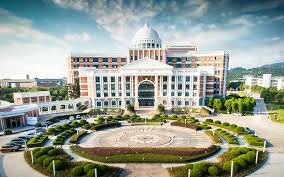
wenzhou medical university

MBBS in China
Nearest Airport
Beijing Capital International Airport, Shanghai Pudong International Airport, Guangzhou Baiyun International Airport, Chengdu Shuangliu International Airport
Fees Per Year
RMB 21,000 to 48,000/Year (₹2.1 to 4.8 Lakhs/Year)
Major Cities/Provinces
Beijing, Shanghai, Guangzhou, Changchun, Dalian, Wuhan, Nanjing, Jinan, Hangzhou, Xi'an
Medium of Teaching
English
Recognition
NMC (Formerly MCI), WHO, WDOMS
Overview: Pursuing MBBS in China
China has established itself as a premier destination for international medical education, particularly for Indian students seeking quality training at affordable costs. With a literacy rate of 98.4%, China offers quality MBBS courses to aspirants. This country features some of the best medical universities globally that develop a large education structure for medical aspirants from India.
For the 2025-26 academic year, Chinese medical universities continue to welcome international students with comprehensive programs taught in English. The 6-year medical program (5 years of academic study plus 1 year of clinical internship) provides thorough preparation for successful medical careers worldwide.
This guide offers detailed information about studying MBBS in China, covering everything from admission requirements and university profiles to living costs and post-graduation opportunities. Whether you're concerned about affordability, academic quality, or future career prospects, China's medical education system offers compelling advantages worth considering.
Why Choose China for Medical Studies: A Comprehensive Analysis
China stands as one of the most sought-after destinations for international medical education, particularly for Indian students seeking quality training at affordable costs. The country's medical universities have established themselves as centers of academic excellence with globally recognized credentials and English-medium instruction.
For Indian students facing intense competition and prohibitive costs at home, China presents a compelling alternative with its NMC-recognized programs, modern facilities, and comprehensive curriculum. Medical institutions across China have earned accreditation from prestigious bodies including the WHO, FAIMER, and India's National Medical Commission (NMC).
The medical program follows a comprehensive 6-year structure (5+1), with five years dedicated to theoretical and practical classroom education followed by a mandatory year of clinical internship. With annual tuition fees averaging between ₹2.1-4.8 lakhs, Chinese medical education represents exceptional value compared to private institutions in India. This combination of academic quality, affordability, and international recognition has made China an increasingly popular choice for aspiring Indian medical professionals.
Key Facts About Medical Programs in China
| Program Aspect | Information |
|---|
| Degree Conferred | Doctor of Medicine (MD) - Equivalent to Indian MBBS |
| Academic Calendar Start | September |
| Program Length | 6-Year Comprehensive Program (5+1) |
| Entry Requirements | Minimum 70% in Physics, Chemistry, Biology; Valid NEET Score |
| Instruction Language | English (100% English-taught programs available) |
| Annual Tuition Range | RMB 21,000-48,000 (₹2.1-4.8 Lakhs) |
| Monthly Living Expenses | RMB 800-1,000 (₹8,000-10,000) |
| Top-Rated Institutions | Jilin University, Dalian Medical University, China Medical University |
| Accreditation Bodies | National Medical Commission (India), World Health Organization, FAIMER, Ministry of Education China |
MBBS in China for Indian Students
The medical education landscape in India presents significant challenges for aspiring doctors. With fierce competition and limited opportunities, many talented students are exploring international alternatives, with China emerging as a leading choice for several compelling reasons.
The Medical Education Bottleneck in India:
- Total medical institutions across India: 706 colleges
- Combined seat availability (government and private sectors): 106,333 positions
- NEET examination participants (2024): 2,300,000 candidates
- Private medical institution yearly fees: ₹60-80 lakhs for complete program
This substantial imbalance between applicants and available positions, coupled with the prohibitive costs at private institutions, has led many qualified Indian students to consider China's medical education system as a viable and advantageous alternative.
Key Features of Medical Programs in China
- Affordable Education: The MBBS fees in China are very affordable compared to private medical colleges in India, with options to pay in installments. The annual cost ranges from ₹2.1-4.8 lakhs.
Global Recognition: There are 45 NMC-approved MBBS universities in China providing medical guidance. Medical degrees from China are recognized by key global medical authorities including NMC, WHO, and FAIMER.
Modern Infrastructure: China has world-class healthcare infrastructure. Medical students get to learn and practice at state-of-the-art hospitals and clinics.
Simple Admission Process: The admission process for MBBS in China is straightforward and hassle-free.
International Exposure: Students admitted to medical universities in China gain valuable international exposure and cultural diversity.
Safety: China is known for its low crime rate, providing a safe environment for international students.
No Donation or Capitation Fees: Medical students are free from paying any donations or capitation fees, making education more accessible.
English-Medium Instruction: All NMC-approved universities in China offer medical education in English, eliminating language barriers for international students.
Low Visa Rejection Rate: There is little chance of visa rejection for Indian students applying to Chinese medical universities.
Cultural Diversity: China offers a diverse environment with rich culture and history, making it an extraordinary place for international students to live and study.Eligibility Requirements for MBBS in China
Information about Eligibility Requirements for MBBS in China for MBBS in China will be updated soon.
Age Criteria
- Minimum age: 17 years at the time of admission
- Maximum age: 25 years
Academic Requirements
- Minimum 60-70% aggregate in 10+2 (or equivalent) from a recognized educational board (varies by university)
- Physics, Chemistry, and Biology as core subjects
- Valid NEET qualification for Indian students (score requirements vary by university)
- No IELTS/TOEFL requirement in most universities
Premier Medical Institutions in China
China hosts numerous prestigious medical universities that have established themselves as centers of academic excellence. These institutions contribute significantly to the country's healthcare system by maintaining rigorous educational standards aligned with international medical frameworks.
Jilin University
!Jilin University
Jilin University is considered to be one of the leading medical research universities nationally and is located in Changchun, China. It is regarded as a Chinese Ministry of Education Class A Double First-Class University which has yielded more than 25,000 post-graduates and has more than 60,000 enrollments so far.
| Parameter | Details |
|---|
| Year Established | 1946 |
| Recognition | NMC, WHO |
| Course Duration | 5+1 Year |
| Eligibility Criteria | 70% in PCBE, 250 Score in NEET |
| Language of Study | English |
| Application Deadline | November 1, 2025 |
Dalian Medical University
!Dalian Medical University
Dalian Medical University came into existence in the year 1947 and is situated in Dalian, Liaoning, China. It is one of the largest medical universities in China giving admissions to international students from more than 50 countries. Dalian Medical University is ranked as a top A-grade university for Indian students to pursue their MBBS in China.
| Parameter | Details |
|---|
| Year Established | 1947 |
| Recognition | NMC, WHO |
| Course Duration | 5+1 Year |
| Eligibility Criteria | 70% in PCBE, 250 Score in NEET |
| Language of Study | English |
| Application Deadline | November 1, 2025 |
China Medical University
!China Medical University
China Medical University commenced in the year 1931 and is located in Shenyang, China. China Medical University is ranked 1270 in world ranking and 158 in national ranking making it an ideal choice for medical aspirants who want to pursue MBBS in China. China Medical University is known for yielding more than 8000 students so far.
| Parameter | Details |
|---|
| Year Established | 1931 |
| Recognition | NMC, WHO |
| Course Duration | 5+1 Year |
| Eligibility Criteria | 80% in PCBE, NEET Qualified |
| Language of Study | English |
| Application Deadline | November 1, 2025 |
Zhejiang University
!Zhejiang University
Zhejiang University is one of the top-most medical universities in China and ranks as 16th amongst all the universities across the globe. Zhejiang University was inaugurated in the year 1897 and is situated in Zhejiang province, China. Zhejiang University is considered to be one of the oldest medical universities and most prestigious medical universities in terms of higher education.
| Parameter | Details |
|---|
| Year Established | 1930 |
| Recognition | NMC, WHO |
| Course Duration | 5+1 Year |
| Eligibility Criteria | 10+2 with 50% of marks, NEET |
| Language of Study | English |
| Application Deadline | November 1, 2025 |
Shandong University
![Shandong University])
Shandong University ranks 270 in world ranking and ranked 11th nationally making it an utmost choice for the medical aspirants who want to pursue MBBS in China. Shandong University has yielded more than 57,000 students so far and is considered to be one of the largest medical universities in terms of number of students.
| Parameter | Details |
|---|
| Year Established | 1901 |
| Recognition | NMC, WHO |
| Course Duration | 5+1 Year |
| Eligibility Criteria | 65% in PCBE, 250 Score in NEET |
| Language of Study | English |
| Application Deadline | November 1, 2025 |
NEET Requirements for Chinese Medical Programs
The National Eligibility cum Entrance Test (NEET) qualification is mandatory for Indian students planning to study medicine in China if they intend to practice in India after completing their education abroad. This requirement aligns with NMC regulations. NEET score requirements vary by university, with most top universities requiring scores between 200-300.
Documentation Requirements for MBBS in China
Information about Documentation Requirements for MBBS in China for MBBS in China will be updated soon.
Academic Documentation
- 10th standard mark sheet
- 12th standard mark sheet
- NEET scorecard
- Birth certificate
- School leaving certificate
Visa Documentation
- Valid passport
- Passport-sized photographs
- Invitation letter from the university
- Medical fitness certificate
- HIV test report
- Police clearance certificate
- JW202 Form (issued by the university)
- Visa application form
Note: The embassy takes more than a month to grant a student visa, so it is advised to prepare the paperwork well in advance.
International Recognition of Chinese Medical Degrees
Medical degrees from Chinese universities enjoy widespread recognition and acceptance. Graduates can practice medicine internationally after completing necessary licensing requirements. Chinese medical programs are accredited by:
National Medical Commission (India)World Health Organization (WHO)Foundation for Advancement of International Medical Education and Research (FAIMER)Ministry of Education, China (MOE)Accreditation Council for Graduate Medical Education (ACGME)United Nations Educational Scientific and Cultural Organization (UNESCO)Medical Curriculum in China
The medical curriculum in Chinese universities is comprehensive and follows international standards. While specific subjects may vary slightly between institutions, the general structure includes:
| Year | Semesters | Core Subjects |
|---|
| 1st Year | 1st – 2nd Sem. | Spoken Chinese I, Integrated Chinese I, Introduction to Traditional Chinese Culture, China Today, Spoken Chinese II, Integrated Chinese II, Anatomy I, Biochemistry |
| 2nd Year | 3rd -4th Sem. | Spoken Chinese III, Integrated Chinese III, Physiology I, Histology and Embryology, Anatomy II, Spoken Chinese IV, Integrated Chinese IV, Pathology, and Physiology II |
| 3rd Year | 5th – 6th Sem. | Chinese Reading I, Pathophysiology, Microbiology, Pharmacology I, Chinese Reading II, Pharmacology II, Medical Psychology, Medical Ethics, Medical Genetics, and Community Medicine |
| 4th Year | 7th -8th Sem. | Medical Chinese I, Traditional Chinese Medicine, Medical Radiology, Diagnosis, Fundamentals of Clinical Skills, General Surgery, Anesthesiology, Medical Chinese II, Internal Medicine I, Surgery I, Obstetrics and Gynecology, Pediatrics, Infectious Diseases, Acupuncture and Moxibustion |
| 5th Year | 9th – 10th Sem. | Medical Chinese III, Internal Medicine II, Surgery II, Psychiatry, General Oncology, Emergency Medicine, Stomatology, Traditional Chinese Medicine Patent Drug, Fundamentals of Nursing, Medical Chinese IV, Forensic Medicine, Neurology, Ophthalmology, Otorhinolaryngology, Dermatology, Clinical Pharmacology, Clinical Imagiology, and Patient Safety |
| 6th Year | 11th – 12th Sem. | Internship in Obstetrics and Gynecology, Internship in Pediatrics, Internship in Medicine, Internship in Surgery, Others |
Admission Timeline for Chinese Medical Programs
The admission cycle for Chinese medical universities typically follows this schedule:
Application period: May-JuneAdmission confirmation: JulyInvitation letter: July-AugustVisa processing: SeptemberDeparture: SeptemberRegistration with the university: September-OctoberClasses commencement: November
Students should monitor individual university websites for specific deadlines and requirements.
Career Opportunities After MBBS in China
A medical degree from China opens numerous professional pathways:
Practice in India after clearing the Foreign Medical Graduate Examination (FMGE) or National Exit Test (NEXT)Practice in China after obtaining the necessary licensePractice in other countries with appropriate licensingPursue postgraduate studies in various medical specializations in China or other countriesApply for residency programs in the US after passing the USMLEJoin research positions at medical institutesWork in international healthcare organizationsLanguage of Instruction for Medical Programs
Chinese medical universities offer programs taught entirely in English, making them accessible to international students. While Chinese language proficiency is not required for the academic program, students are encouraged to learn basic Chinese to facilitate communication with patients during clinical rotations and internships. Chinese language courses are typically included in the curriculum.
Comparative Analysis: MBBS in India vs. China
| Aspect | MBBS in India | MBBS in China |
|---|
| Degree | Bachelor of Medicine or Bachelor of Surgery | Doctor of Medicine (MD) |
| Eligibility | NEET Mandatory with high cutoffs | NEET Mandatory for Indian students who wish to practice in India |
| Annual Tuition (Private) | ₹10-40 lakhs | ₹2.1-4.8 lakhs |
| Program Duration | 5.5 years (4.5+1) | 6 years (5+1) |
| Admission Process | NEET exam followed by counseling | Direct application based on eligibility |
| Educational Approach | Theoretical with limited practical exposure | Balanced theoretical and practical training |
| Future Career Scope | Better opportunities in Indian hospitals | Global opportunities, international exposure |
| Medium of Teaching | English | English |
| Monthly Living Costs | ₹15,000-20,000 | ₹8,000-10,000 |
| Donation/Capitation Fee | Often required in private colleges | Not required |
MBBS Fees Per Year in Top Chinese Universities
The following table provides a detailed breakdown of annual tuition fees at leading medical universities in China for the 2025-26 academic year:
| Name of the University | Tuition Fee/Year (Rs.) | Hostel Fee/Year (Rs.) | Total Annual Cost (Rs.) |
|---|
| Jilin University | ₹4,90,000 | ₹71,000 | ₹5,61,000 |
| Dalian Medical University | ₹5,45,000 | ₹95,000 | ₹6,40,000 |
| China Medical University | ₹5,12,000 | ₹71,000 | ₹5,83,000 |
| Zhejiang University | ₹5,05,000 | ₹71,000 | ₹5,76,000 |
| Huazhong University of Science & Technology | ₹3,96,000 | ₹75,000 | ₹4,71,000 |
| Sun Yat Sen University | ₹5,60,000 | ₹84,000 | ₹6,44,000 |
| Anhui Medical University | ₹4,15,000 | ₹76,000 | ₹4,91,000 |
| Capital Medical University | ₹4,72,000 | ₹90,000 | ₹5,62,000 |
| Tianjin Medical University | ₹4,84,000 | ₹70,000 | ₹5,54,000 |
| Shandong University | ₹6,72,000 | ₹95,000 | ₹7,67,000 |
| Nanjing Medical University | ₹5,36,000 | ₹71,000 | ₹6,07,000 |
| Nantong University | ₹3,30,000 | ₹88,000 | ₹4,18,000 |
Nearest International Airports to Major Medical Universities
Beijing
Beijing is a prestigious medical university in China offering high-quality medical education to international students.
| Location | Beijing Capital International Airport (PEK) |
|---|
| Distance | 30 km |
|---|
Shanghai
Shanghai is a prestigious medical university in China offering high-quality medical education to international students.
| Location | Shanghai Pudong International Airport (PVG) |
|---|
| Distance | 40 km |
|---|
Guangzhou
Guangzhou is a prestigious medical university in China offering high-quality medical education to international students.
| Location | Guangzhou Baiyun International Airport (CAN) |
|---|
| Distance | 28 km |
|---|
Changchun (Jilin University)
Changchun (Jilin University) is a prestigious medical university in China offering high-quality medical education to international students.
| Location | Changchun Longjia International Airport (CGQ) |
|---|
| Distance | 35 km |
|---|
Dalian
Dalian is a prestigious medical university in China offering high-quality medical education to international students.
| Location | Dalian Zhoushuizi International Airport (DLC) |
|---|
| Distance | 12 km |
|---|
Major Cities and Provinces with Medical Universities
Beijing
Beijing is a prestigious medical university in China offering high-quality medical education to international students.
| Location | Beijing Capital International Airport (PEK) |
|---|
| Distance | 30 km |
|---|
Shanghai
Shanghai is a prestigious medical university in China offering high-quality medical education to international students.
| Location | Shanghai Pudong International Airport (PVG) |
|---|
| Distance | 40 km |
|---|
Guangzhou
Guangzhou is a prestigious medical university in China offering high-quality medical education to international students.
| Location | Guangzhou Baiyun International Airport (CAN) |
|---|
| Distance | 28 km |
|---|
Changchun (Jilin University)
Changchun (Jilin University) is a prestigious medical university in China offering high-quality medical education to international students.
| Location | Changchun Longjia International Airport (CGQ) |
|---|
| Distance | 35 km |
|---|
Dalian
Dalian is a prestigious medical university in China offering high-quality medical education to international students.
| Location | Dalian Zhoushuizi International Airport (DLC) |
|---|
| Distance | 12 km |
|---|
Beijing (Capital)
- Universities: Capital Medical University, Peking University Health Science Center
- Climate: Continental with hot summers (25-30°C) and cold winters (-10 to 0°C)
- Cultural Highlights: Great Wall, Forbidden City, Temple of Heaven, Summer Palace
- Student Life: Vibrant international community, excellent public transportation, diverse cultural activities, modern metropolis
Shanghai
- Universities: Fudan University, Tongji University
- Climate: Subtropical with hot summers (25-35°C) and mild winters (0-10°C)
- Cultural Highlights: The Bund, Yu Garden, Shanghai Tower, Oriental Pearl Tower
- Student Life: International financial hub, cosmopolitan atmosphere, modern infrastructure, vibrant nightlife
Guangzhou
- Universities: Sun Yat-sen University, Southern Medical University
- Climate: Subtropical with hot summers (28-35°C) and mild winters (10-20°C)
- Cultural Highlights: Canton Tower, Chen Clan Ancestral Hall, Shamian Island
- Student Life: Major commercial center, Cantonese culture, proximity to Hong Kong, excellent cuisine
Changchun (Jilin Province)
- Universities: Jilin University
- Climate: Continental with warm summers (20-25°C) and very cold winters (-20 to -10°C)
- Cultural Highlights: Puppet Emperor's Palace, Jingyuetan National Forest Park
- Student Life: Educational hub, affordable living costs, winter sports, authentic Chinese experience
Dalian (Liaoning Province)
- Universities: Dalian Medical University
- Climate: Continental with warm summers (20-25°C) and cold winters (-10 to 0°C)
- Cultural Highlights: Xinghai Square, Tiger Beach, Russian-style architecture
- Student Life: Coastal city with beach access, clean environment, international port city
Student Life Considerations:
Beijing and Shanghai offer more international amenities but higher living costsRegional cities provide more authentic Chinese cultural experiences and lower costs of livingMost universities have Indian student associations that organize cultural events and celebrationsIndian restaurants and grocery stores are available in major university citiesLearning basic Mandarin is highly beneficial for daily life in ChinaLiving Expenses in China
China offers a remarkably affordable lifestyle for international students. The average monthly expenses range from RMB 800-1,000 (₹8,000-10,000), excluding accommodation. Costs can be further reduced through shared accommodations and careful budgeting.
Food Costs (in INR)
| Item | Approximate Cost |
|---|
| Restaurant meal | ₹300-500 |
| Fast food meal | ₹200-300 |
| Coffee | ₹100-150 |
| Milk (1 liter) | ₹60-80 |
| Bread (loaf) | ₹30-50 |
| Rice (1 kg) | ₹60-100 |
| Eggs (dozen) | ₹100-130 |
| Chicken (1 kg) | ₹200-300 |
| Vegetables (1 kg) | ₹40-80 |
Transportation
| Service | Cost |
|---|
| Single public transport ticket | ₹30-50 |
| Monthly transit pass | ₹800-1,200 |
| Taxi starting fare | ₹100-150 |
Monthly Utilities
| Service | Cost |
|---|
| Electricity, heating, cooling, water | ₹2,000-3,000 |
| Mobile phone plan | ₹500-800 |
| Internet service | ₹1,000-1,500 |
Accommodation (Monthly)
| Type | Cost |
|---|
| University dormitory | ₹4,000-7,000 |
| Shared apartment | ₹10,000-15,000 |
| Private apartment | ₹15,000-25,000 |
About China
!About China
China, officially the People's Republic of China, is a country in East Asia. It is the world's most populous country with a population exceeding 1.4 billion. China spans five geographical time zones and borders 14 countries by land. With an area of approximately 9.6 million square kilometers, it is the world's third-largest country by total land area.
The country is known for its rich history, diverse landscapes, and cultural heritage. China has a strong emphasis on education, with some of the oldest universities in the world. It has emerged as a global economic powerhouse and is at the forefront of technological innovation in many fields, including medicine.
Interesting Facts About China
- China is home to the world's largest population
- The Great Wall of China is the largest man-made structure in the world
- China has one of the world's oldest continuous civilizations, with over 5,000 years of history
- The country has 56 recognized ethnic groups
- Mandarin Chinese is the most widely spoken language in the world
- China is the world's largest exporter
- The country has the world's fastest train, the Shanghai Maglev
- China is home to 55 UNESCO World Heritage Sites
- The Chinese invented paper, printing, gunpowder, and the compass
- Traditional Chinese Medicine has a history of over 2,500 years
| Parameter | Details |
|---|
| Population | 1.4 billion (May 2024) |
| Exchange Rate | 1 RMB = ₹10 (May 2024) |
| Climate | Varies by region (Continental to Subtropical) |
| Location | East Asia |
| Capital | Beijing |
| Currency | Renminbi (RMB) |
| Flight Duration from Delhi | 6 hours (direct) |
| Time Difference from India | +2.5 hours |
| International Student Population | 500,000+ (2023) |
| International Student Percentage | 2% |
| Primary Languages | Mandarin Chinese, with English in academic settings |
| Academic Calendar | September-July |
| Medical Program Duration | 6 years (5 years academic + 1 year internship) |
Advantages and Disadvantages of MBBS in China
Internationally recognized medical degrees
Affordable tuition fees compared to private medical colleges in India
No entrance exam for admission (NEET qualification only)
English as medium of instruction
World-class infrastructure and facilities
Multicultural exposure and global networking opportunities
Safe environment for international students
Direct admission process without donation fees
Good career opportunities after graduation
Advantages
**Affordable Education**: The MBBS fees in China are very affordable compared to private medical colleges in India.
**Global Recognition**: Medical degrees from China are recognized by key global medical authorities including NMC, WHO, and FAIMER.
**Modern Infrastructure**: China has world-class healthcare infrastructure and state-of-the-art medical facilities.
**Simple Admission Process**: The admission process for MBBS in China is straightforward and hassle-free.
**International Exposure**: Students gain valuable international exposure and cultural diversity.
**Safety**: China is known for its low crime rate, providing a safe environment for international students.
**No Donation or Capitation Fees**: Medical students are free from paying any donations or capitation fees.
**English-Medium Instruction**: All NMC-approved universities in China offer medical education in English.
**Low Visa Rejection Rate**: There is little chance of visa rejection for Indian students.
**Scholarship Opportunities**: Many universities offer scholarships based on academic performance.
Disadvantages
**Cultural Adaptation**: Adapting to a new culture can be challenging for international students.
**Climate Differences**: The different climatic conditions may be difficult to adjust to, especially in northern regions.
**Language Barrier**: While classes are in English, communicating with locals requires knowledge of Mandarin.
**Lower FMGE Pass Rate**: China has a relatively low FMGE passing percentage compared to some other countries.
**HSK Examination**: Students may need to clear the HSK examination to learn Mandarin for clinical interactions.
Scholarship for MBBS in China
Chinese medical universities provide various scholarship opportunities for international students:
CSC Scholarship: The Chinese Government Scholarship provided by the China Scholarship Council.University-Specific Scholarships: Many universities offer merit-based scholarships to high-performing students.Performance-Based Scholarships: First-year students can receive up to 20,000 Yuan based on their academic performance.Attendance-Based Stipends: Regular attendance can qualify students for additional financial aid.Research Scholarships: Students participating in research activities may be eligible for special grants.
The amount of scholarship for MBBS in China can be up to 50,000 Yuan, significantly reducing the financial burden on international students.
Hostel Facilities for Indian Students in China
Chinese medical universities offer various accommodation options for international students:
University Dormitories: Well-furnished hostels specifically designed for international students.Shared Rooms: Options for shared accommodations to reduce costs.Private Apartments: Available for students who prefer more privacy.Internet Facilities: High-speed internet access in most accommodations.Shared Kitchen: Many dormitories provide shared kitchen facilities.Security Systems: Advanced security measures to ensure student safety.Proximity to Campus: Most accommodations are located on or near the university campus.Frequently Asked Questions
Are the medical degrees provided by China medical universities accepted everywhere? +
Yes, the degrees provided by Chinese universities are accepted globally due to their recognition by WHO, FAIMER, and other international medical bodies. However, graduates must pass the licensing examination of the country where they wish to practice.
Is NEET examination mandatory for medical education in China? +
Yes, the NEET examination is mandatory for Indian students who wish to practice in India after completing their MBBS in China. This is a requirement set by the National Medical Commission (NMC) of India.
Will the students get a hostel facility in China? +
Yes, medical colleges in China provide accommodation facilities to international students. Options include university dormitories, shared rooms, and private apartments.
What is the duration of the MBBS course in China? +
The duration of the medical course is six years. It includes 5 years of classroom study and one year of internship.
How many MBBS colleges are there in China that provide MBBS courses in English? +
There are at least 45 NMC-approved medical colleges in China that provide medical education in English. Some colleges also offer bilingual education.
What are the standard MBBS fees in China? +
The standard fees for MBBS courses range from 21,000 RMB to 48,000 RMB per year (₹2.1 to 4.8 lakhs). The fees may differ from one university to another.
Is MBBS from China valid in India? +
MBBS graduates from China can practice in India after passing the NMC screening test (FMGE/NEXT). This test is mandatory for all students who graduate from medical colleges in foreign countries.
What is the FMGE passing rate for students from Chinese universities? +
The FMGE passing rate for students from Chinese universities varies, but it is generally moderate compared to some other countries. Students who diligently follow their studies and prepare well for the exam have better chances of success.
Is Indian food available in China? +
Yes, Indian food is available in major cities in China. Many university canteens serve international cuisine, and there are Indian restaurants in cities with significant international student populations. Students can also cook their own food in hostel accommodations.
What type of visa do I need to study in China? +
For long-term study in China, you need an X1 visa, which is specifically for students planning to study for more than 6 months. After arriving in China, students need to apply for a residence permit for the duration of their studies.
Can I work part-time while studying MBBS in China? +
International students in China are generally not permitted to work during their studies. However, some universities may allow on-campus work or internships as part of the curriculum.
How is the weather in China? +
China's climate varies greatly depending on the region. Northern areas like Beijing and Changchun have cold winters and warm summers, while southern regions like Guangzhou have a subtropical climate with mild winters and hot, humid summers. Students should prepare accordingly based on their university's location.
Ready to Start Your Medical Journey?
Apply Now for MBBS in China